
How to Grow Your Small Business Without Losing the Human Touch

Growth is exciting — until it starts making your business feel harder to manage.
At first, you know every customer by name. You remember conversations. You follow up personally. You notice the little details that make people feel cared for.
Then the business starts growing.
More leads come in. More emails need answers. More appointments need scheduling. More content needs to be created. More customers expect timely communication. Before long, the same personal touch that made your business special starts to feel harder to maintain.
That is where many small business owners get stuck.
They want to grow, but they do not want their business to become cold, automated, or impersonal. They want better systems, but they do not want to lose the trust and connection that their customers value.
The good news is that growth and human connection do not have to compete.
With the right simple systems, technology can help you stay more consistent, more responsive, and more present. The goal is not to replace people with tools. The goal is to use tools in a way that gives people more room to do what people do best: build trust, solve problems, and create real relationships.
That is the heart of human-centered business growth.

Growth Should Not Make Your Business Feel Less Human
Many small business owners think growth means becoming more complicated.
More software. More dashboards. More automations. More logins. More things to learn.
But real growth should make your business clearer, not more confusing.
A growing business needs systems because the owner cannot keep everything in their head forever. When every follow-up, reminder, task, and customer detail depends on memory, things eventually fall through the cracks.
That does not mean the owner is careless. It means the business has outgrown an informal way of operating.
The problem is not technology itself. The problem is using technology without intention.
When technology is added just to “keep up,” it can create more noise. But when it is chosen carefully, it can protect the parts of your business that matter most.
A good system helps you remember who needs a follow-up.
A good system helps you respond faster.
A good system helps you stay visible without being online all day.
A good system helps your customers feel cared for, even when your business gets busier.
That is the difference between automation that feels cold and automation that supports human connection.
Tech With Heart Network’s mission is built around this idea: helping entrepreneurs and small business owners use simple, smart systems to grow faster without losing the human connection that builds trust and loyalty.
Why Small Business Growth Starts to Feel Overwhelming
Most small business owners do not start with a systems problem.
They start with a passion, a service, a skill, or a calling.
They know how to help people. They know how to deliver value. They know how to solve a problem.
But as the business grows, the owner often becomes the center of everything.
They are the salesperson, marketer, customer service team, content creator, scheduler, follow-up coordinator, and tech support person. That may work for a while, but it eventually becomes exhausting.
Here are a few signs your business is growing beyond your current systems:
- You forget to follow up with leads.
- You answer the same questions over and over.
- You rely on sticky notes, memory, or scattered spreadsheets.
- You miss opportunities because communication is not organized.
- You know you need to post content, but you do not have a simple process.
- You spend too much time on admin work instead of serving customers.
- You feel guilty because you cannot give everyone the same level of attention.
This is where growth starts to feel heavy.
Not because your business is failing, but because your current way of working is no longer enough.
The next stage of growth requires support.
That support might come from better processes, simple tools, virtual assistants, automation, or done-for-you system setup. The key is to choose support that matches your values.
For a human-centered business, the question is not, “How do we automate everything?”
The better question is:
“How do we create systems that help us serve people better?”
The Human Touch Is Not the Opposite of Systems
Some business owners resist systems because they worry systems will make their business feel robotic.
That fear makes sense.
We have all experienced bad automation. The generic email that does not match what we asked for. The chatbot that cannot understand a simple question. The endless reminder sequence that feels more like pressure than service.
But those are not examples of human-centered systems.
They are examples of systems built without empathy.
The truth is that thoughtful systems can make a business feel more human, not less.
A simple follow-up system can make sure a potential client is not forgotten.
A scheduling system can make it easier for someone to get help.
A customer relationship tool can help you remember important details.
A content system can help you teach, encourage, and stay connected with your audience.
A reminder system can help you check in at the right time.
In each case, the system is not replacing the relationship. It is supporting the relationship.
Think of it this way:
Your human touch is the care, wisdom, personality, and judgment you bring to your business.
Your systems are the structure that helps you deliver that care consistently.
You still decide what matters. You still bring empathy. You still build trust. The system simply helps make sure the right things happen at the right time.
That is especially important for small businesses, where trust is often the reason customers choose you in the first place.
People do not only buy from small businesses because of the product or service. They buy because they feel seen, heard, and valued.
Good systems help protect that feeling as you grow.

5 Simple Systems That Help You Grow Without Losing Connection
You do not need to rebuild your whole business overnight.
The simplest way to start is to look at the places where connection breaks down.
Where do leads get lost? Where do customers wait too long? Where do you repeat the same task too often? Where does your business depend too much on your memory?
Start there.
Here are five simple systems that can help a small business grow while staying human.
1. A Lead Follow-Up System
Many small businesses lose opportunities because they do not follow up consistently.
A potential customer fills out a form, sends a message, asks a question, or meets you at an event. You intend to follow up, but the day gets busy. Then another day passes. By the time you respond, the moment has cooled.
A lead follow-up system helps prevent that.
This does not have to be complicated. It can include:
- A simple form to capture inquiries.
- A confirmation message so people know you received their request.
- A reminder to follow up personally.
- A short email sequence that answers common questions.
- A clear path to book a call or consultation.
The human-centered version of this system is not pushy. It is helpful.
Instead of saying, “Buy now,” it says, “Here is what happens next.”
Instead of sending generic pressure emails, it offers clarity, reassurance, and useful information.
A good follow-up system helps people feel supported before they ever become customers.
2. A Customer Communication System
As your business grows, communication gets harder to manage.
Messages may come through email, social media, website forms, text, phone calls, and direct messages. Without a system, it becomes easy to miss something.
A customer communication system helps you organize conversations so people do not feel ignored.
This might include:
- A shared inbox or CRM.
- Message templates for common replies.
- Follow-up reminders.
- Notes about each customer’s needs.
- A clear process for urgent requests.
The point is not to make every message sound the same. The point is to make sure every person gets a timely, thoughtful response.
Templates can help, but they should still sound like you.
For example, a cold template says: “Your inquiry has been received. A representative will respond shortly.”
A more human version says: “Thanks for reaching out. We received your message, and we’ll review it carefully. You can expect a response soon with the next best step.”
Small changes in tone matter.
A system can help you respond faster. Your voice makes the response feel human.
3. An Appointment or Consultation System

If your business depends on calls, consultations, sessions, or appointments, scheduling can become a major time drain.
Back-and-forth messages like “What time works for you?” may seem small, but they add up quickly.
An appointment system can make the process easier for both you and your customers.
A simple system might include:
- A booking link.
- Automated calendar reminders.
- A short intake form.
- Confirmation emails.
- Follow-up messages after the meeting.
This saves time, but it also improves the customer experience.
People know what to expect. They get reminders. They can share information before the call. They are less likely to miss the appointment or arrive confused.
Again, the system does not replace the human relationship. It prepares the relationship to begin well.
When someone books a consultation, they should feel like they are stepping into a clear, caring process — not a transaction.
4. A Content and Visibility System
Many small business owners know they need to stay visible, but content creation can feel overwhelming.
What should you post? When should you send emails? What should you write about? How do you stay consistent when you are already busy?
A content system gives you a repeatable way to share helpful ideas.
This could include:
- A monthly content theme.
- A simple blog schedule.
- A list of common customer questions.
- Social posts created from each blog.
- Email tips based on your best advice.
- A place to organize ideas before they are forgotten.
For a human-centered business, content should not be about shouting louder. It should be about teaching clearly.
Helpful content builds trust before the sales conversation ever happens.
A blog post can answer a question. A short video can explain a process. An email can encourage someone who feels stuck. A social post can remind your audience that they are not alone.
When your content system is built around service, visibility does not feel salesy. It feels generous.
5. A Customer Care and Retention System
Growth is not only about getting new customers.
It is also about caring for the people who already trust you.
A customer care system helps you stay connected after the first purchase, project, session, or consultation.
This might include:
- A welcome message.
- Check-in reminders.
- Follow-up resources.
- Feedback requests.
- Renewal reminders.
- Appreciation messages.
- Helpful next-step recommendations.
This type of system is especially powerful because many businesses focus so much on new leads that they forget existing customers.
But existing customers are often your best source of referrals, repeat business, testimonials, and long-term impact.
A simple check-in can make someone feel remembered. A useful follow-up resource can help them get more value. A thoughtful reminder can show that your business is paying attention.
Human-centered growth does not end when the sale is made. In many ways, that is where it begins.
Where Technology Helps Most — and Where Humans Still Matter Most
Technology works best when it handles repeatable tasks.
It can help with:
- Scheduling
- Reminders
- Sorting information
- Drafting content
- Organizing contacts
- Sending confirmations
- Tracking follow-ups
- Automating simple workflows
These are important tasks, but they are not the heart of your business.
The heart of your business is still human.
People are still needed for:
- Listening
- Empathy
- Judgment
- Creative thinking
- Sensitive conversations
- Relationship-building
- Strategic decisions
- Personal encouragement
A tool can remind you to follow up. But you decide what the person needs to hear.
A system can organize customer information. But you decide how to use that information with care.
A virtual assistant can help you get more done. But your values should guide what gets done and how.
This is why human-centered technology matters. It keeps people in the center of the process.
That is also why Tech With Heart Network avoids making technology sound more complicated than it needs to be. The brand’s messaging favors simple language like smart systems, virtual assistants, simple tools, and time-saving systems rather than overwhelming business owners with heavy technical language.
How to Start Simple Instead of Trying to Fix Everything at Once
One of the biggest mistakes small business owners make is trying to fix every system at the same time.
That usually creates more stress.
A better approach is to start with one bottleneck.
Ask yourself: Where am I losing the most time, trust, or opportunity right now?
Your answer might be follow-up. It might be scheduling. It might be content. It might be customer communication. It might be keeping track of leads.
Choose one area first. Then use this simple four-step process.
Step 1: Name the Problem Clearly
Do not start with the tool. Start with the problem.
For example: “I am forgetting to follow up with leads.” “I am spending too much time scheduling calls.” “I do not have a consistent way to stay visible.” “Customer messages are scattered across too many places.”
Clarity comes before technology.
Step 2: Write Down the Current Process
Even if your process is messy, write it down.
What happens now? Where does the request come from? Who responds? What gets missed? What happens next?
This helps you see where the breakdown is happening.
Step 3: Simplify Before You Automate
Automation should not be added to a broken process too quickly.
First, simplify. Remove unnecessary steps. Clarify who is responsible. Create a basic flow. Then decide what can be supported by a tool or system.
Step 4: Add One Simple System
Once the process is clear, add one simple system to support it.
That might be a booking calendar, a CRM, an email template, a reminder workflow, or a virtual assistant.
Start small enough that you can actually use it.
The goal is progress, not perfection.
How My Biz Suite Can Support Human-Centered Growth
You do not need to become a technology expert to grow with better systems.
That is the point.
Many small business owners know they need support, but they do not want to spend hours learning complicated software, comparing platforms, or trying to connect tools that do not work well together.
My Biz Suite is designed to help business owners use simple tools and support systems that make growth easier.
Depending on what your business needs, that may include content tools, virtual assistants, simple automation, CRM support, workflow setup, or done-for-you integration.
The purpose is not to replace your personality, your care, or your customer relationships.
The purpose is to give those things more structure.
When your systems are working, you can spend less time chasing tasks and more time serving people.
That is the real promise of human-centered technology.
Not more complexity. More clarity. More consistency. More space to lead your business with heart.
Conclusion
Small business growth does not have to make your business feel less personal.
In fact, the right systems can help you become more present, more consistent, and more helpful.
The key is to use technology with intention.
Do not automate just because everyone is talking about automation. Do not add tools just because they are popular. Do not build systems that make your customers feel like numbers.
Build systems that help people feel seen, supported, and cared for.
Start with one area of your business that feels scattered or stressful. Simplify the process. Add the right support. Then keep improving from there.
You do not have to grow by doing everything yourself.
And you do not have to lose the human touch to build a stronger business.
If you are ready to simplify your systems without losing the heart of your business, My Biz Suite can help you find the right starting point. Learn more about the tools and support available, or schedule a free consultation to discover which simple system could make the biggest difference in your business first.
FAQ
What does it mean to grow a business without losing the human touch?
It means building your business in a way that protects trust, personal connection, and customer care. Instead of using technology to replace relationships, you use simple systems to support better communication, follow-up, and service.
Can automation make a small business feel impersonal?
Yes, if it is used carelessly. Generic messages, too many automated emails, and poorly designed customer experiences can feel cold. But thoughtful automation can help a business respond faster, stay organized, and serve people more consistently.
What systems should a small business set up first?
Start with the area causing the most stress or missed opportunity. For many small businesses, that is lead follow-up, appointment scheduling, customer communication, content creation, or customer care.
Do I need to be tech-savvy to use smart business systems?
No. The best systems for small business owners should be simple, clear, and easy to use. You do not need to understand every technical detail. You need a system that supports your goals and makes daily work easier.
How can My Biz Suite help my business grow?
My Biz Suite can help you use simple systems, virtual assistants, automation, and support tools to save time, stay organized, and grow with more confidence. It is designed for business owners who want practical support without losing the human connection their customers trust.
Michelle Calloway
Founder & Host at Tech With Heart Foundation & Network. Empowering small business growth through human-centered technology.
More From Tech With Heart
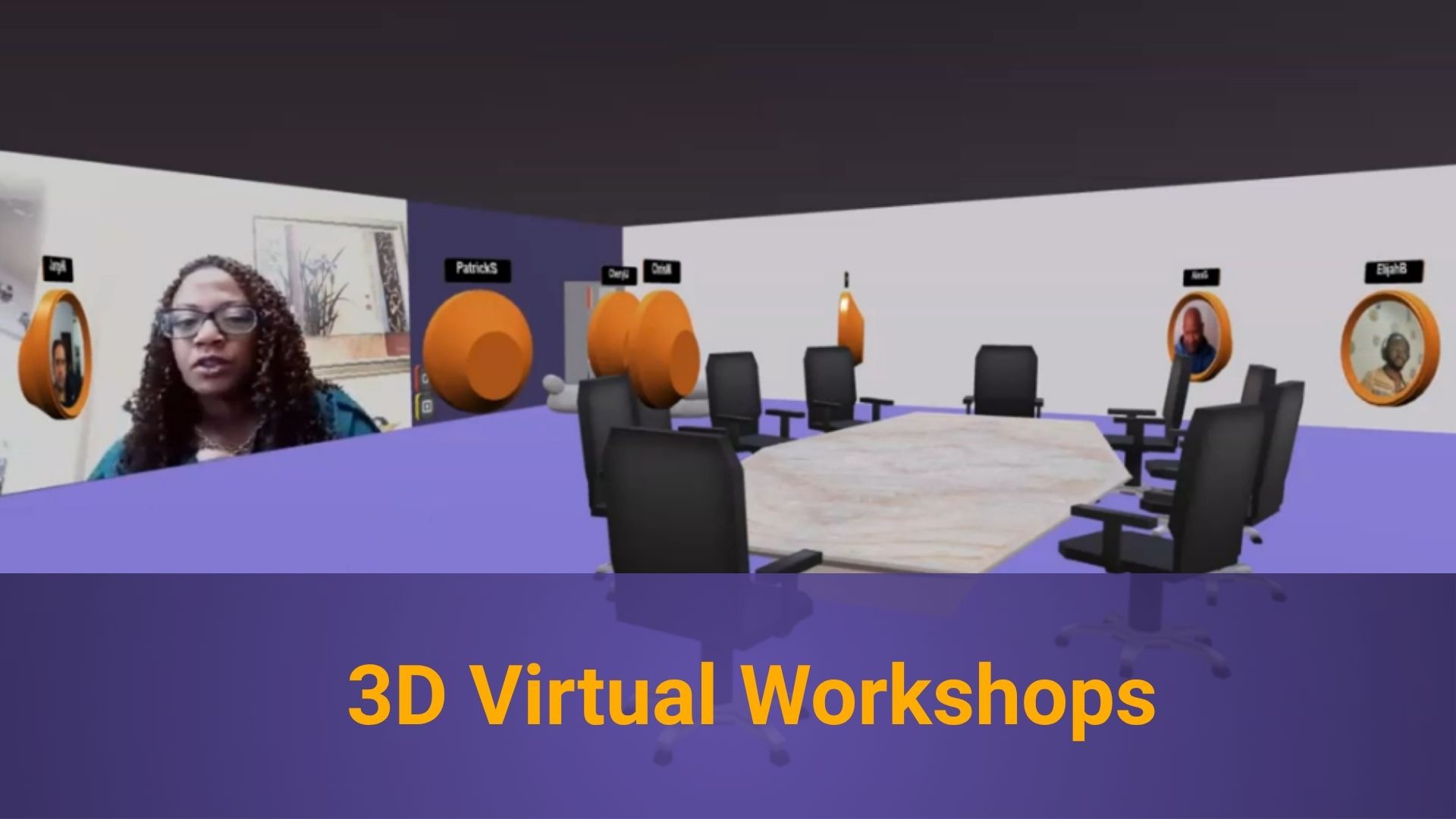
3 Ways Smart Teams Are Using 3D Workspaces Right Now
Curious how 3D Spaces can transform your remote team’s workflow? Discover three real-world ways smart teams are using virtual offices today.
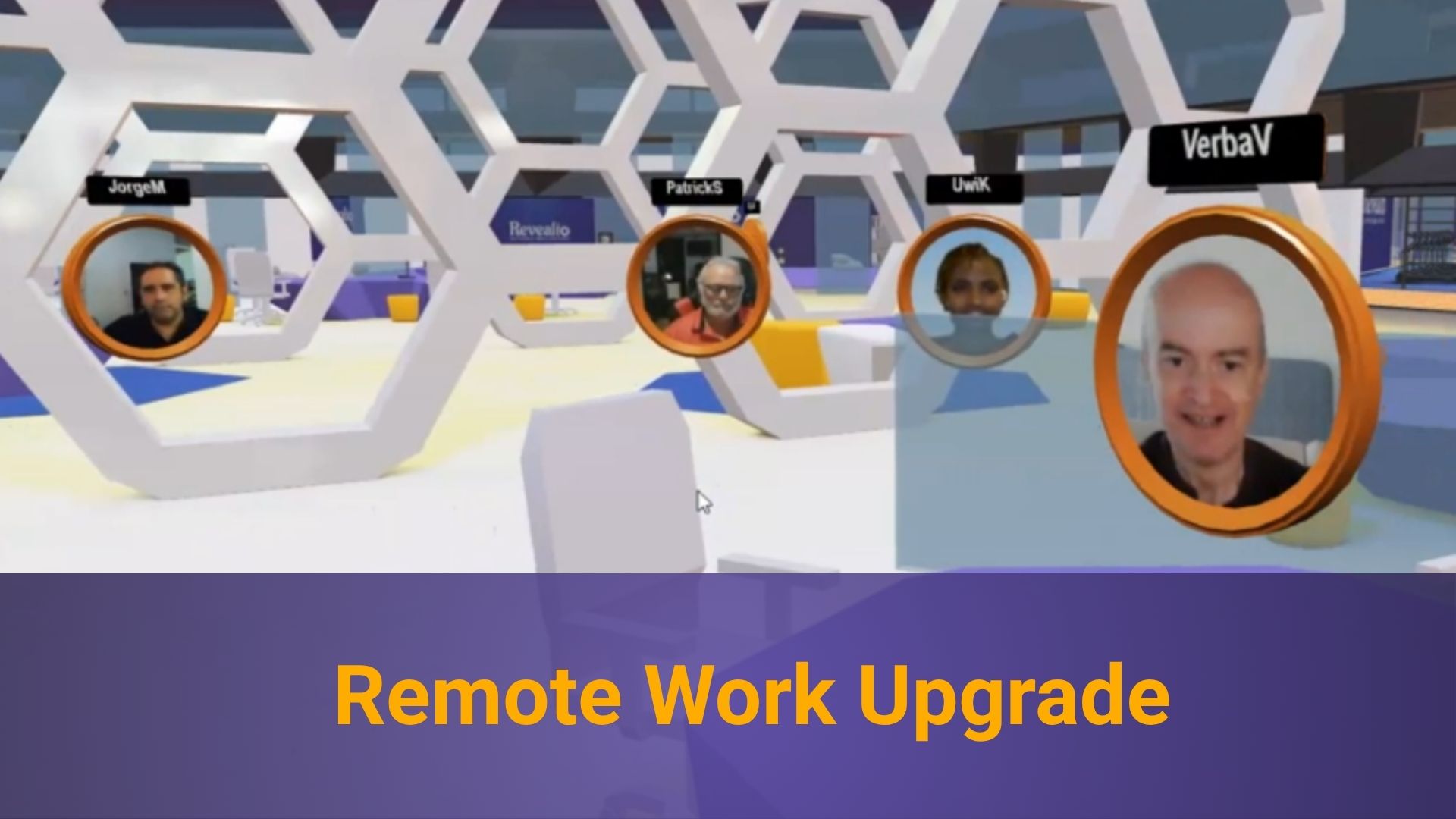
The Next Remote Work Upgrade
Remote work isn’t broken — but your digital office might be. 3D Spaces offers a branded, immersive virtual HQ that brings back connection.
5 Ways a Voice AI Saves You Time, Stress, and Staff Costs
Running a business means you’re basically the CEO, receptionist, marketing manager, and customer service rep. Here is how Voice AI helps.